How Can Muslim Youth Stay Strong in Their Faith in Today’s World? | NurAva

NURAVA JOURNAL · FAITH & YOUTH
Their Faith in Todays World?
An Islamic guide to identity, character, social media, leadership, technology and future choices.
NurAva Islamic University · October 2026
How Can Muslim Youth Stay Strong in Their Faith? The Short Answer
Young Muslims can protect and strengthen their faith by building consistent worship, choosing good company, learning Islam from reliable teachers, using technology responsibly and making decisions with good character. These habits turn Islamic values into a way of life.
A practical summary based on the Qur’an and Sunnah
Growing up today means facing questions about belonging, popularity, success, entertainment and identity. Islam offers more than restrictions: it offers purpose, self-respect, mercy and responsibility. The goal is not to escape the modern world. It is to engage with it while remaining conscious of Allah.
Why this matters now
Online culture reaches young people every day. A post may shape how they see themselves; an influencer may shape what they value; and a career decision may shape their daily routine for years. A sound Islamic foundation gives a young person a standard beyond likes, trends and pressure.
“O you who believe, protect yourselves and your families from a Fire...”
Surah At-Tahrim 66:6 · Read on NurAva
Parents can provide structure, encouragement and access to qualified teachers. Young people also have to make their own sincere effort. Faith becomes more lasting when understanding and daily action grow together.
Five areas of a balanced Muslim youth life
| Faith | Character | Modern life |
|---|---|---|
| Salah and Qur’an | Honesty, modesty and respect | Social media choices |
| Seeking knowledge | Leadership and service | AI and technology ethics |
| Dua and reflection | Healthy friendships | Study and halal career planning |
1. Build an Islamic Identity That Lasts
A strong Muslim identity is not simply a label. It involves knowing what you believe, why you worship, what you value and how you treat other people. Teenagers benefit from explanations that allow sincere questions instead of demanding outward compliance without understanding.
“And do not follow that of which you have no knowledge...”
Surah Al-Isra 17:36 · Read on NurAva
Four foundations
| Foundation | What it looks like in everyday life |
|---|---|
| Understand belief | Learn the basics of tawhid, prophecy, revelation and accountability. |
| Practice worship | Protect the five prayers and build a realistic Qur’an reading habit. |
| Learn good character | Practice truthfulness, patience, gratitude and respect at home and school. |
| Ask informed questions | Discuss doubts with reliable teachers instead of accepting random social media claims. |
A beginner does not need to master everything at once. A short daily Qur’an session, regular salah and a weekly conversation with a teacher are more sustainable than a dramatic plan that lasts only a few days.

Consistent online learning can help students combine faith with daily study.
Explore the NurAva Qur’an reader for Arabic text and translation, or visit NurAva teachers for guided study.
2. Choose Friends and Role Models Wisely
Friendship shapes routines, language, ambitions and confidence. Good friends do not have to be perfect, but they should make honesty, prayer and respectful conduct easier. A young person should also learn to treat others kindly without copying every behavior.
The Prophet said that a person follows the way of their close friend, so one should consider whom one befriends.
Sunan Abi Dawud 4833 · Hadith reference
A useful friendship checklist
| Healthy sign | Warning sign |
|---|---|
| Encourages study, worship and good manners | Pressures you to lie, mock others or cross your values |
| Respects boundaries and family commitments | Uses guilt or ridicule to control your choices |
| Celebrates growth and apologises when wrong | Makes harmful habits feel normal |
| Offers support without demanding constant attention | Pushes secrecy and isolation |
Leadership begins with being a trustworthy friend. A student who keeps promises, treats classmates fairly and admits mistakes is already practicing an important form of influence.
Small acts of leadership
Volunteer for a useful community task; welcome a new student; help a sibling with schoolwork; or organise a study group without making the experience about personal status. These actions build responsibility and service.
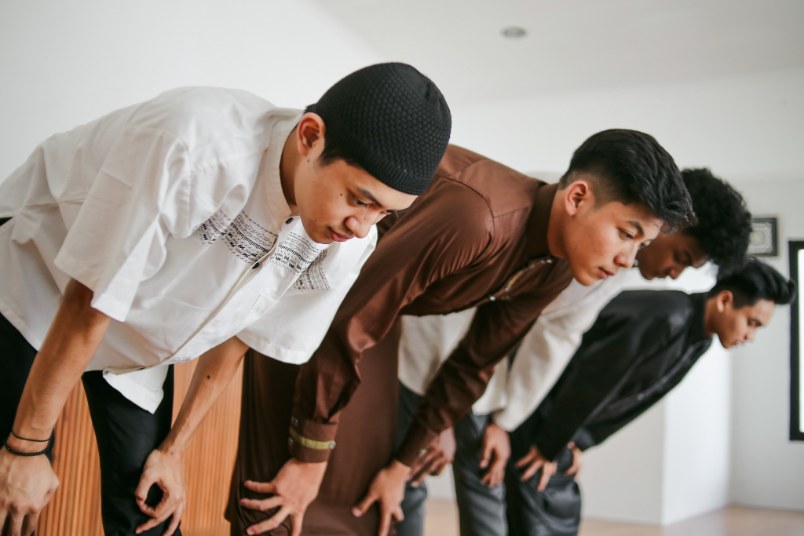
Shared worship, self-discipline and respect can strengthen a young community.
3. Use Social Media Without Losing Your Values
Social media can connect people, teach useful skills and spread beneficial knowledge. It can also encourage constant comparison, impulsive reactions and the sharing of information without checking its truth. The answer is to develop clear digital habits, not simply to pretend that screens do not exist.
“O you who believe, avoid much suspicion...”
Surah Al-Hujurat 49:12 · Read on NurAva
Think before posting, following or forwarding
| Situation | A better Islamic response |
|---|---|
| A sensational claim appears | Verify the source before sharing or repeating it. |
| A friend is mocked online | Avoid joining the ridicule. Speak respectfully or disengage. |
| Scrolling pushes back salah or sleep | Use limits and move the phone away at agreed times. |
| Private messages feel inappropriate | Set boundaries; seek help from a trusted adult if needed. |
| Online success leads to comparison | Remember that public posts rarely show a person’s full life. |

Phones can serve positive goals when young people practice digital responsibility.
A practical family agreement can name device-free study periods, privacy rules and who to speak to when something online causes concern. The focus should be trust, safety and accountability.
4. Can Muslims Use AI and Modern Technology Responsibly?
Technology is a tool. Its moral value depends on what a person does with it. AI can help with language practice, organising study notes and exploring a new subject. But it can also be used to cheat, spread unverified claims or create misleading content. Muslim youth should learn the difference.
“Read in the name of your Lord who created...”
Surah Al-Alaq 96:1 · Read on NurAva
Five principles for responsible technology use
| Principle | Practical example |
|---|---|
| Honesty | Do not submit AI-generated answers as your own work when original work is required. |
| Verification | Check important facts against reliable materials and qualified people. |
| Privacy | Avoid uploading another person’s private information without permission. |
| Benefit | Use digital tools to learn, organise time and help others. |
| Balance | Keep prayer, sleep, family and offline responsibilities protected. |

Digital skills and ethical judgement need to grow together.
The best question is not simply “Can this tool do it?” Ask: “Is this truthful, useful, fair and consistent with my responsibilities?”
5. Plan Education and a Career With Purpose
Muslim teenagers hear many messages about success. Some are asked to choose a profession before they understand their abilities. Others compare themselves with friends or influencers. Islamic career guidance can connect talent and effort with honesty, halal income and service.
“When the prayer is finished, disperse in the land and seek Allah’s bounty...”
Surah Al-Jumu’ah 62:10 · Read on NurAva
Questions worth discussing early
| Question | What to explore |
|---|---|
| What are my strengths? | Subjects, practical skills, interests and feedback from teachers. |
| What kind of work is beneficial? | How the work helps people, family and community. |
| Are my choices ethical? | Truthfulness, lawful earnings and treatment of others. |
| What should I learn next? | A realistic skill or study plan for the next three months. |
| How will I keep balance? | A schedule that protects worship, health and relationships. |
Parents can guide without deciding everything for their child. Listening to a young person’s strengths and concerns helps them take ownership of their future.
A three-step exercise
Reflect: list three strengths. Research: compare three fields and the skills they require. Act: select one measurable project, class or study goal for the coming month.

Young adults benefit from clear goals and steady practice.
6. A 30-Day Islamic Growth Plan for Teenagers
A good plan is small enough to repeat. Students can adjust the tasks with parents or teachers according to age, schoolwork and current practice. This is an example of personal development, not an official NurAva class schedule.
| Week | Theme | Three achievable actions |
|---|---|---|
| 1 | Salah and Qur’an | Protect prayer times; read a short Qur’an passage; ask one question about its meaning. |
| 2 | Digital ethics | Set a screen limit; verify news before sharing; remove one unhealthy feed habit. |
| 3 | Character and service | Practice respectful disagreement; help someone at home; keep a promise. |
| 4 | Learning and future | Identify one skill to build; ask a mentor for advice; write a 90-day goal. |
How to measure real progress
Do not measure spiritual growth by appearance or public performance. Look for habits that are more sincere, regular and kind. Keeping a private weekly journal can help students notice where they are improving and where they need support.
“By time, surely humanity is in loss, except those who believe, do good, encourage truth and encourage patience.”
Surah Al-Asr 103:1–3 · Read the Qur’an on NurAva
For parents: how to help
Ask open questions rather than only checking compliance. Discuss one challenge at a time, set clear expectations, and praise sincere effort. For recurring problems, work together with a trusted teacher or suitable professional.

Family conversations and healthy boundaries can support a young Muslim's growth plan.
7. How NurAvas Youth Program Connects Deen With Daily Life
NurAva Islamic University offers a three-month Youth Program for teenagers and young adults. Its five listed subjects address faith, responsibility and modern choices. The program is presented at $25 per month in the supplied NurAva Youth Programs description. Confirm current enrolment details with the NurAva team before paying.
| Listed program subject | What this guide prepares students to explore |
|---|---|
| Islam for Teenagers | Identity, worship, character, questions and daily habits. |
| Islamic Leadership | Amanah, service, honesty, discipline and team responsibility. |
| Social Media Ethics | Privacy, respectful speech, time management and online influence. |
| AI & Technology in Islam | Truthful technology use, critical thinking and accountability. |
| Career Guidance | Strengths, education, halal earning and future planning. |
Learning with qualified teachers
NurAva explains that it offers live Islamic learning and a free demo session. Read about NurAva programs, explore the teacher directory, or book a free demo class. The public programs page does not separately confirm this Youth Program’s fee or lesson-by-lesson timetable, so request those details directly.
Who should consider this program?
Teenagers seeking stronger Islamic habits; young adults facing questions about social media and career; and parents looking for an organised way to support learning. A useful first step is a conversation about the learner’s age, current knowledge, questions and schedule.
Frequently Asked Questions About Muslim Youth and Islam
How can I strengthen my faith when I feel distracted?
Start with a manageable worship routine, reduce predictable distractions and seek knowledgeable guidance. Gradual consistency matters more than brief intensity.
Is social media always harmful for Muslim youth?
No. What matters is content, conduct, purpose and time. Use it with boundaries, honesty and respect for others.
How should parents discuss AI and technology?
Talk about school honesty, privacy, checking sources and screen balance. Set expectations together rather than treating every new tool as automatically good or bad.
What if a teenager has questions about Islam?
Invite respectful questions and find a qualified teacher who can explain Islamic teachings patiently and clearly.
Can career goals and Islamic values work together?
Yes. Seeking useful skills, earning lawfully and helping others can reinforce one another.
Where can I learn more at NurAva?
Use the verified NurAva programs, teachers, demo and Qur’an pages linked throughout this guide.
Begin With Faith, Grow With Purpose
A Muslim young person does not need to choose between knowing their faith and understanding the modern world. With good habits, thoughtful guidance and a sense of responsibility, they can prepare for both the life they live now and the future they hope to build.
Explore Youth & Islamic Learning at NurAva
Learn about structured programs, ask questions and book an introductory session.
Explore NurAva Programs · Book a Free Demo
Keep learning on NurAva
- Read the Qur’an and translations
- Browse the NurAva Journal
- View structured programs
- Meet NurAva teachers
- Book a free live demo
- Contact NurAva Islamic University
Quranic and Hadith references
Qur’an: 66:6; 17:36; 49:12; 96:1; 62:10; 103:1–3. Hadith: Sunan Abi Dawud 4833. Quran links throughout this article point only to NurAva. Hadith references are given as printed citations, without external links.
Note: This article is general educational guidance. For personal religious rulings, consult a qualified scholar. Program price and availability should be confirmed with NurAva.