Ayatul Kursi Meaning, Benefits and How to Memorise
· Updated

Ayatul Kursi Meaning: The Short Answer
Ayatul Kursi ("the Verse of the Throne") is verse 255 of Surah Al-Baqarah. It describes Allah as the Ever-Living, the Sustainer, who never sleeps and whose knowledge and authority cover everything. The Prophet ﷺ called it the greatest verse in the Qur'an, and it is also recited before sleep, as authentic hadith in Sahih al-Bukhari and Sahih Muslim show. You can memorise it in about a week with short daily steps.
Ayatul Kursi is one of the first verses many Muslim children learn and one of the most recited by adults. This guide gives you the Arabic, the transliteration, the meaning of each part, the authentic hadith we can verify, and a simple way to memorise it and recite it correctly. You can also read and hear it on our page for Ayatul Kursi on NurAva.
The Verse: Arabic, Transliteration and Meaning
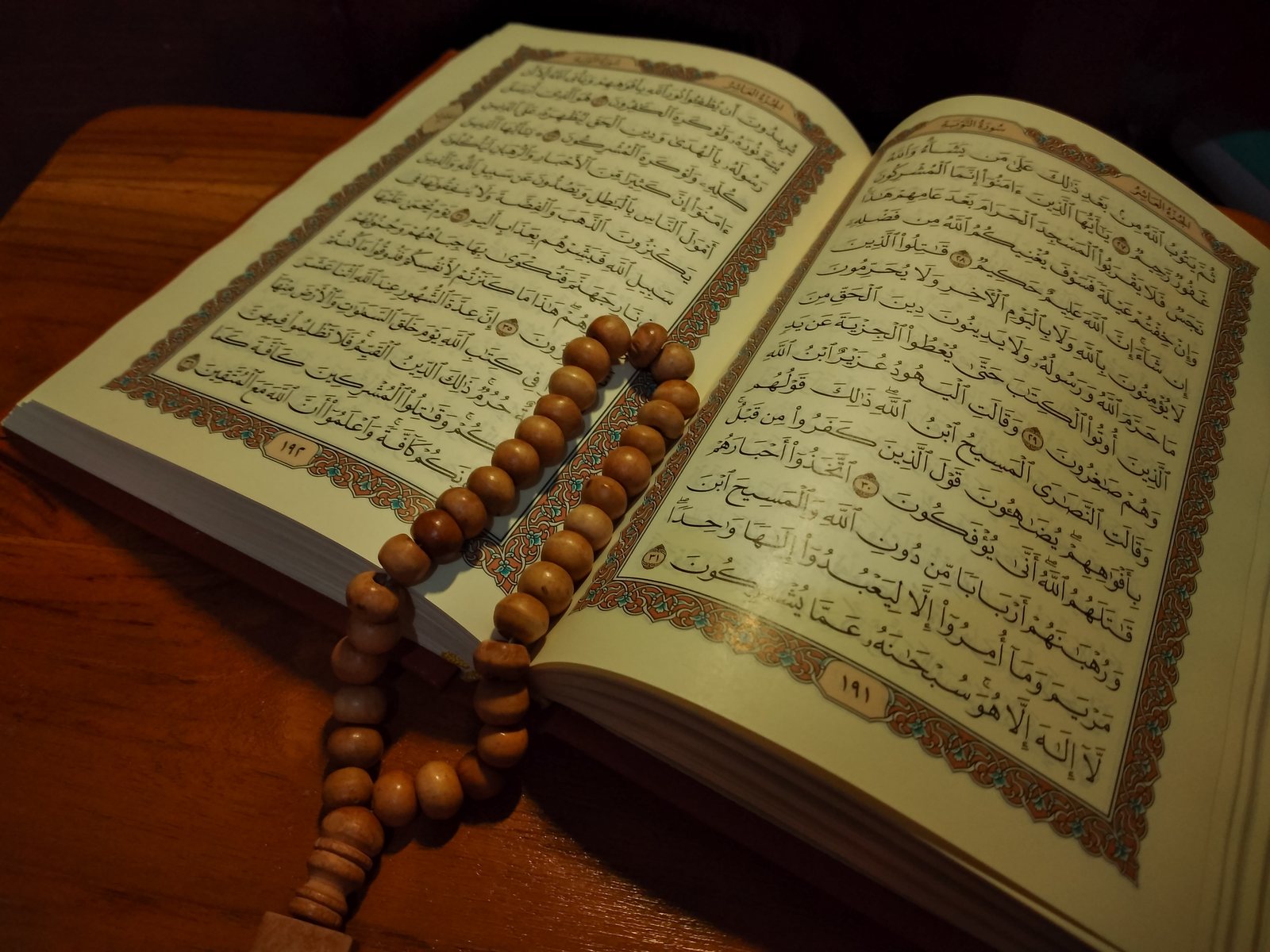
ٱللَّهُ لَآ إِلَٰهَ إِلَّا هُوَ ٱلْحَىُّ ٱلْقَيُّومُ ۚ لَا تَأْخُذُهُۥ سِنَةٌۭ وَلَا نَوْمٌۭ ۚ لَّهُۥ مَا فِى ٱلسَّمَٰوَٰتِ وَمَا فِى ٱلْأَرْضِ ۗ مَن ذَا ٱلَّذِى يَشْفَعُ عِندَهُۥٓ إِلَّا بِإِذْنِهِۦ ۚ يَعْلَمُ مَا بَيْنَ أَيْدِيهِمْ وَمَا خَلْفَهُمْ ۖ وَلَا يُحِيطُونَ بِشَىْءٍۢ مِّنْ عِلْمِهِۦٓ إِلَّا بِمَا شَآءَ ۚ وَسِعَ كُرْسِيُّهُ ٱلسَّمَٰوَٰتِ وَٱلْأَرْضَ ۖ وَلَا يَـُٔودُهُۥ حِفْظُهُمَا ۚ وَهُوَ ٱلْعَلِىُّ ٱلْعَظِيمُ
Allahu la ilaha illa huwa al-Hayyul-Qayyum. La ta'khudhuhu sinatun wa la nawm. Lahu ma fis-samawati wa ma fil-ard. Man dhal-ladhi yashfa'u 'indahu illa bi-idhnih. Ya'lamu ma bayna aydihim wa ma khalfahum, wa la yuhituna bi-shay'in min 'ilmihi illa bima sha'. Wasi'a kursiyyuhus-samawati wal-ard, wa la ya'uduhu hifzuhuma, wa huwal-'Aliyyul-'Azim.
Allah - there is no deity except Him, the Ever-Living, the Sustainer of [all] existence. Neither drowsiness overtakes Him nor sleep. To Him belongs whatever is in the heavens and whatever is on the earth. Who is it that can intercede with Him except by His permission? He knows what is [presently] before them and what will be after them, and they encompass not a thing of His knowledge except for what He wills. His Kursi extends over the heavens and the earth, and their preservation tires Him not. And He is the Most High, the Most Great.
What Each Part Means
Seen as a whole, the verse has no commands and no stories. It is a description of Allah, and that is why scholars treat it as a short summary of tawhid, the oneness of Allah.
"There is no deity except Him, the Ever-Living, the Sustainer"
Al-Hayy means the One whose life is perfect and never ends. Al-Qayyum means the One who stands by Himself and sustains everything else. Everything we rely on, from our health to the earth under our feet, depends on Him. He depends on nothing.
"Neither drowsiness nor sleep overtakes Him"
People get tired and look away. Allah's attention never lapses. For a parent or a student, this is a gentle reminder that you are never unseen and never forgotten.
"To Him belongs whatever is in the heavens and the earth"
Everything is His. That includes the things we feel we own and control.
"Who can intercede with Him except by His permission?"
No one has any power to speak on behalf of another unless Allah allows it. Intercession is real, but only with His permission.
"He knows what is before them and what is behind them"
Allah's knowledge covers past and future. Human knowledge, in contrast, is limited to what He chooses to give us.
"His Kursi extends over the heavens and the earth"
Kursi is often translated as "Throne", though scholars have explained the word in different ways. What the verse tells us is the scale: it is vast beyond our imagination, and Allah's authority is greater still. Keeping the heavens and earth does not tire Him.
"And He is the Most High, the Most Great"
The verse ends with two names, Al-'Aliyy (the Most High) and Al-'Azim (the Most Great).
Why It Is Called the Greatest Verse
The Prophet ﷺ asked Ubayy ibn Ka'b which verse in the Book of Allah was the greatest. Ubayy answered with "Allah, there is no god but He, the Living, the Eternal", and the Prophet ﷺ struck his chest and said: "May knowledge be pleasant for you, O Abu'l-Mundhir!" (Sahih Muslim 810).
The verse earns that description because it is so full of the names and attributes of Allah. It is a good verse to learn early because the meaning is so central.
The Benefit Reported in an Authentic Hadith: Protection at Night
Abu Hurairah (may Allah be pleased with him) was guarding the Ramadan charity when a thief came on three nights. On the third night he said: "Whenever you go to bed, recite Ayat-al-Kursi... Allah will appoint a guard for you who will stay with you, and no satan will come near you till morning." The Prophet ﷺ then said: "He really spoke the truth, although he is an absolute liar" (Sahih al-Bukhari 2311).
So reciting Ayatul Kursi before sleep is a well-established practice, and the Prophet ﷺ confirmed the advice. Many families make it part of their bedtime routine with their children.
A word of caution about "benefits" lists
Many websites and chat messages attach long lists of benefits to Ayatul Kursi: wealth, instant cures, or a fixed number of recitations that "guarantees" something. We have only included what we could confirm in Sahih al-Bukhari and Sahih Muslim. If you see a benefit without a source, check it before you pass it on. Where scholars differ about the strength of other narrations, ask a qualified scholar. Reciting the Qur'an is rewarded; treat it as worship and not as a lucky charm.
When Muslims Commonly Recite It
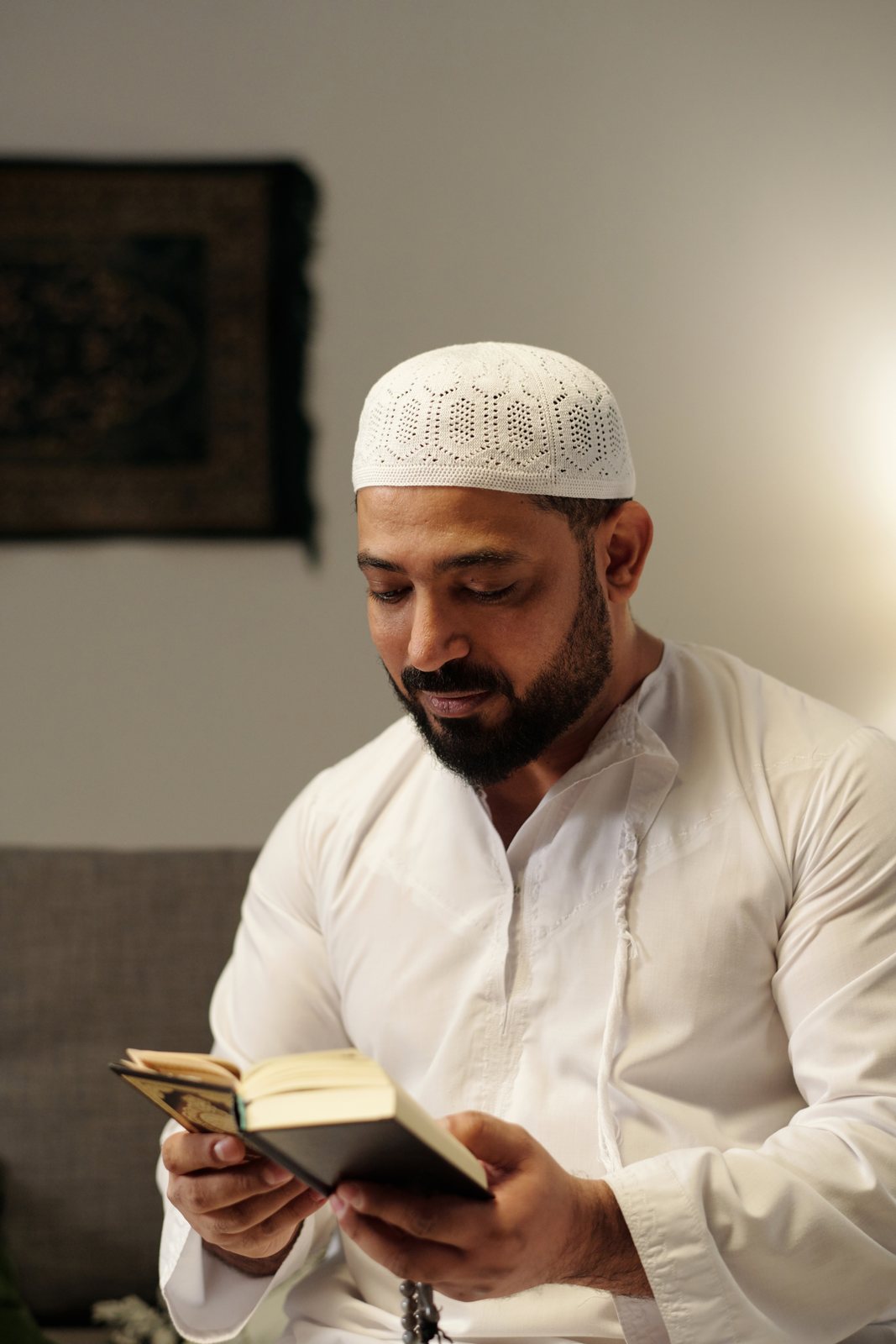
- Before sleep, as in the hadith above.
- After the obligatory prayers, which is a common practice taught in many Muslim communities. Ask a qualified scholar if you want to know which narrations support it and how they are graded.
- In the morning and evening, as part of daily remembrance.
None of these is a substitute for the five prayers. They are habits that keep the verse on your tongue.
How to Memorise Ayatul Kursi: A 7-Day Plan
Ayatul Kursi is about 50 words in Arabic. Most children and adults can learn it in a week or two, but the pace varies by age, language and how often you revise. Treat the plan as a guide and not a promise.
Step 1: Listen first (day 1)
Listen to a clear recitation 10 times while following the text. Read the meaning once, so the words are not empty sounds.
Step 2: Split it into seven short pieces (days 2 to 6)
Learn one piece a day and revise the earlier ones each morning:
- Allahu la ilaha illa huwa al-Hayyul-Qayyum
- La ta'khudhuhu sinatun wa la nawm
- Lahu ma fis-samawati wa ma fil-ard
- Man dhal-ladhi yashfa'u 'indahu illa bi-idhnih
- Ya'lamu ma bayna aydihim wa ma khalfahum
- Wa la yuhituna bi-shay'in min 'ilmihi illa bima sha'
- Wasi'a kursiyyuhus-samawati wal-ard, wa la ya'uduhu hifzuhuma, wa huwal-'Aliyyul-'Azim
Step 3: Join the pieces and recite from memory (day 7)
Recite the whole verse without looking. Do it again before sleeping for the next week, since that is the moment when the verse is most useful and the repetition helps it stay.
For more on the method, see our guide on how to start memorising the Qur'an. If your child is learning, our Quran classes for kids use short, gentle steps like these.
Tajweed Points to Check as You Recite
Learning the words is the first step. Reciting them correctly is the second. Here are the places learners most often need help:
- Al-Hayy and Al-Qayyum: the Ha (ح) comes from the middle of the throat and is not the same as the Ha (ه) in "Allahu". The shaddah on the Ya (ي) needs a clear doubled sound.
- Ghunnah and doubled letters: give each shaddah its full weight, for example in "Kursiyyuhu" and "Al-'Aliyy".
- The letters 'Ayn (ع) and Za (ظ): "'Azim" begins with 'Ayn, a deep throat sound, and its Za is the heavy letter ظ made with the tongue tip between the teeth. Learners often say a plain Z.
- The hamzah in "ya'uduhu": it is a short stop in the throat, not a vowel.
- Pause marks: the small signs above the words show where to pause or continue. A teacher can show you where to breathe without changing the meaning.
Tajweed is easiest to learn when someone listens to you. Our page on learning Tajweed online explains how lessons work, and What Is Tajweed? is a good place to start. If you wonder how long it takes, read How Long Does It Take to Learn Tajweed?.
Frequently Asked Questions
What is Ayatul Kursi?
It is verse 255 of Surah Al-Baqarah, the second chapter of the Qur'an. The name comes from the word Kursi in the verse.
Why is Ayatul Kursi the greatest verse?
The Prophet ﷺ confirmed to Ubayy ibn Ka'b that it is the greatest verse in the Book of Allah (Sahih Muslim 810). Scholars explain that it brings together many names and attributes of Allah in a few lines.
When should I recite Ayatul Kursi?
Before sleeping is supported by Sahih al-Bukhari 2311. Many Muslims also recite it after prayer and in the morning and evening. Ask a qualified scholar about specific narrations.
How long does it take to memorise Ayatul Kursi?
Many learners manage it within one to two weeks with daily practice, but it depends on age and experience. A child who is just starting the Arabic alphabet will usually need longer.
Can children learn Ayatul Kursi?
Yes. Short pieces, listening, and repetition at bedtime work well. A teacher who corrects the pronunciation gently helps a child to learn it correctly from the beginning.
Do I need a teacher to learn it correctly?
You can learn the words from audio, but it is hard to hear your own mistakes, especially in letters like ح, ع and ظ. A teacher who listens to you is the most reliable way to fix them.
Want to recite Ayatul Kursi correctly?
Book a free demo class. A NurAva teacher will listen to your recitation or your child's, correct it gently, and suggest the right next step.
Keep Learning on NurAva
- Read and listen to Ayatul Kursi
- Learn Tajweed online
- Quran classes for kids
- Our programs
- How to start memorising the Qur'an
- What is Tajweed and why it matters
Sources
- Quran: Surah Al-Baqarah 2:255, Arabic and English checked against alquran.cloud (Uthmani, Sahih International)
- Sahih Muslim 810: Ayatul Kursi is the greatest verse
- Sahih al-Bukhari 2311: recite Ayatul Kursi when going to bed
This article is general guidance. Where scholars differ, ask a qualified scholar. Questions? Email [email protected] or visit nurava.org/contact.
Book a free demo class with a qualified NurAva teacher.